

 Kjell Karlsson


DTF Printers by Size: Choosing the Right Fit
Why Size Matters
The size of a DTF printer directly impacts your workflow, output speed, and the types of jobs you can take on. Smaller units are ideal for short runs and startups, while wide-format machines enable mass production with greater efficiency.
Format Categories
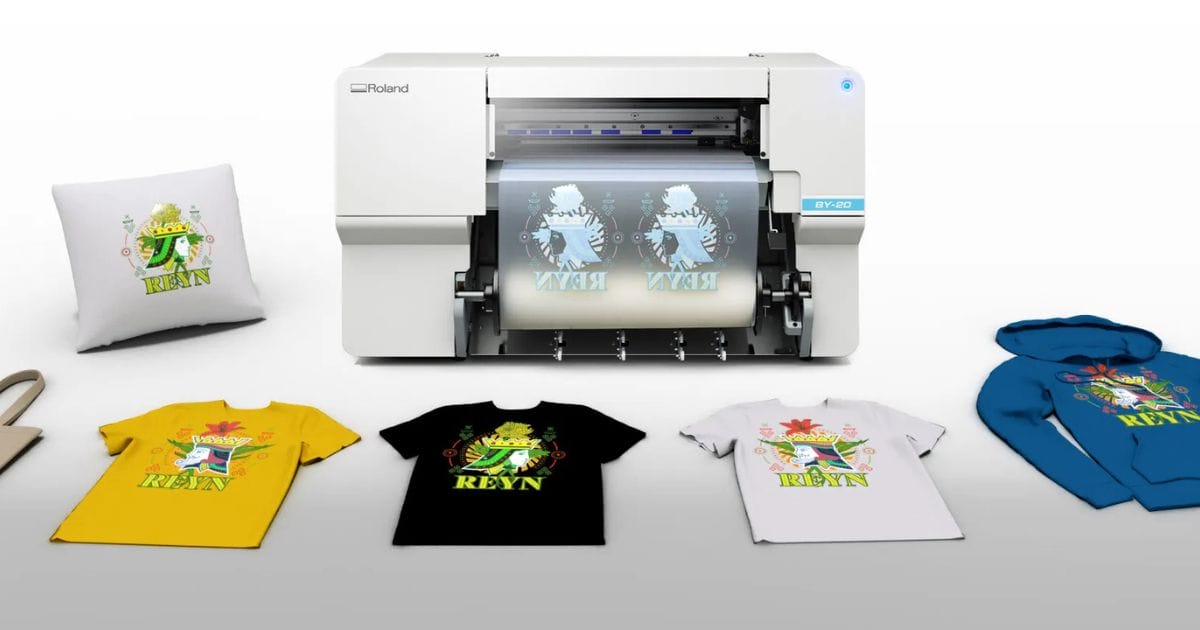
Small Format (Up to 13″): Compact desktop printers for samples, personalization, and startup shops.
Medium Format (13″–24″): Balanced solutions with more throughput, perfect for growing businesses.
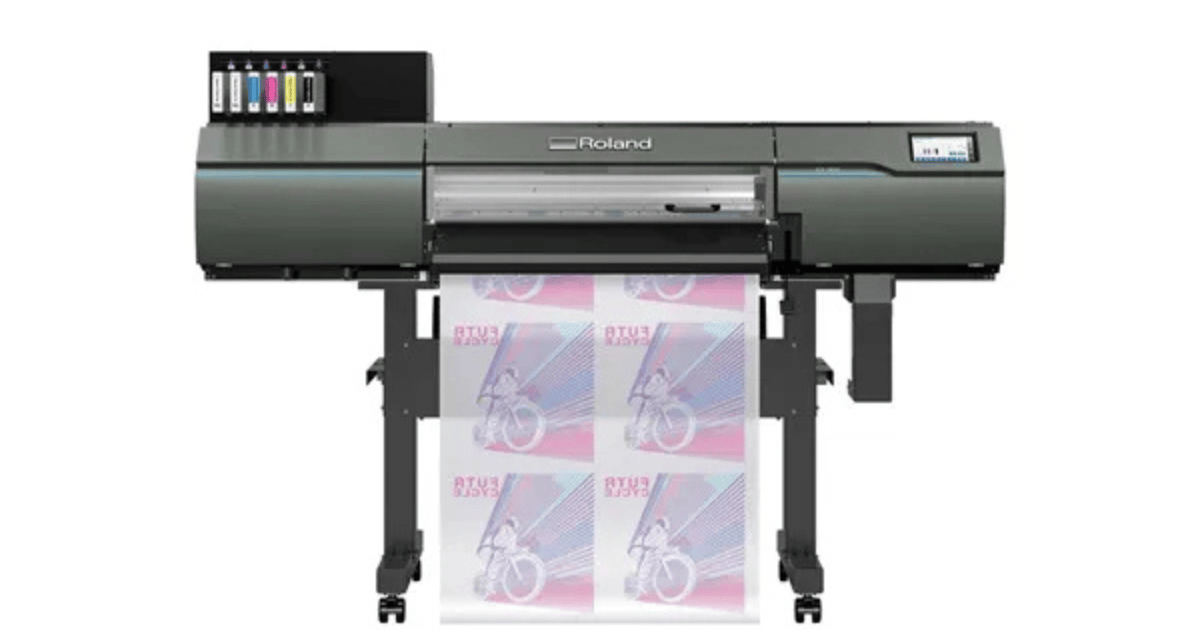
Large Format (24″–44″): Professional-grade equipment for continuous runs and higher production.
Wide Format (44″+): Industrial systems built for volume, automation, and large-scale output.
Key Considerations When Choosing a Size
Workspace Requirements: Do you have the space and power for a large or wide-format unit?
Production Volume: How many prints per day/week do you need to deliver profitably?
Job Types: Are you focusing on samples and custom items, or high-volume retail and promotional work?
Budget vs. ROI: Smaller printers cost less upfront, but larger machines often reduce long-term cost per print.
Who This Helps
Startups comparing desktop vs. production-scale units
Shops deciding whether to scale up from medium to wide format
Buyers looking to balance budget with long-term growth potential
Browse the size categories below to compare DTF printers by their format and production capabilities. This makes it easy to find the model that matches your current needs—and supports your future growth.