
Compare DTF printers by brand to find the right model for your shop. Explore trusted manufacturers like Epson, Mimaki, Roland, Ricoh, Mutoh, and STS — all reviewed for print quality, reliability, and real-world performance.
DTF Printers by Brand
0
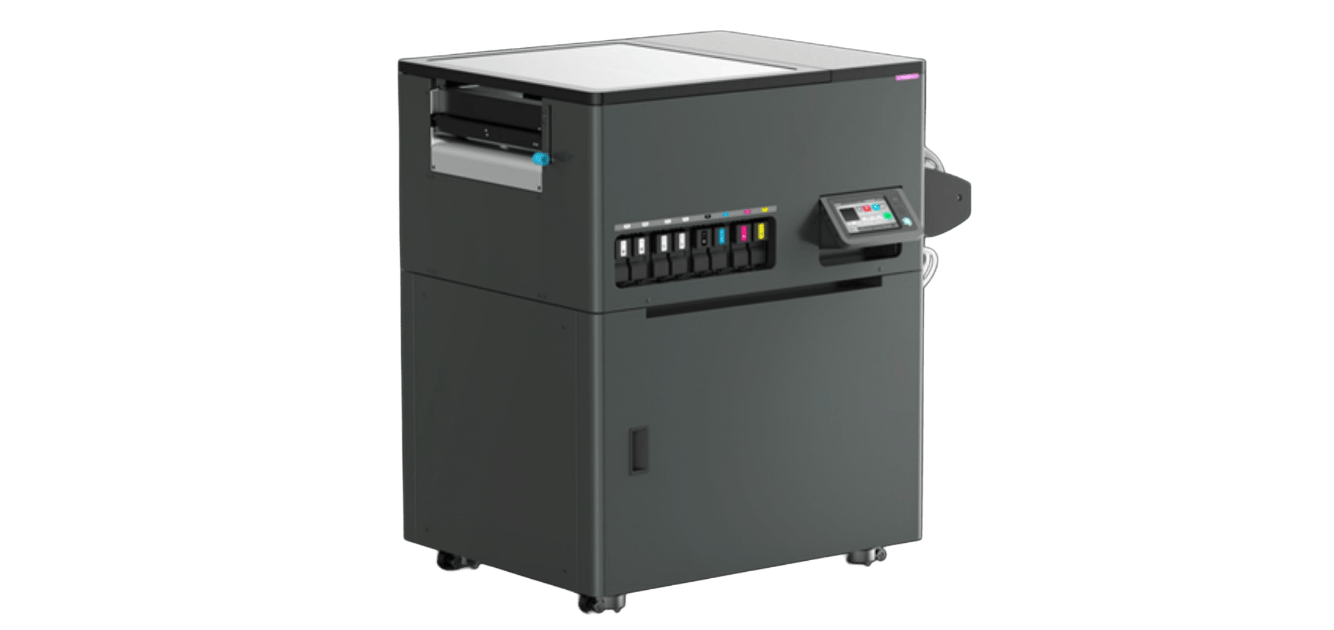
The Ricoh XTF D430 DTF Cube combines automation, precision, and durability in one enclosed DTF production unit — ideal for mid-size apparel manufacturers.
 Kjell Karlsson
0

RICOH Pro D1600 review: 3 industrial heads, ~20 m²/h, integrated powder & dryer, 1.3 m print width (Ricoh mentions film up to 1.6 m). See specs, pros/cons, ...
0
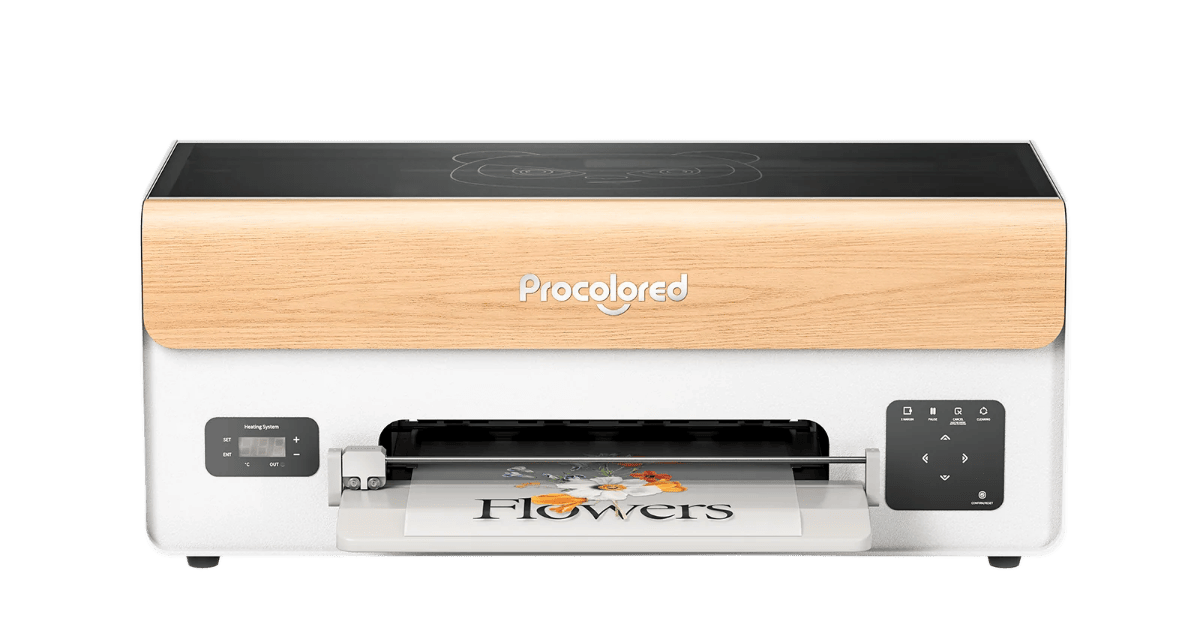
Procolored P13 review: A3 DTF with a single 6-channel head (CMYK+White), selectable 12/24/36-hour cleaning, waste-ink alarm, and 4.5 pL drops—ideal for home ...
0

Procolored K13 Lite review: 13″ A3 DTF focused on stability—auto cleans (10 h), white circulation (~30 min), Windows RIP, IR Printhead SafeGuard. Read specs, ...
0

Procolored F13 Pro Panda review: A3 (13″) dual-head DTF with Siphon white-ink circulation, timed auto cleaning (~1 ml/day), and Windows-only RIP—ideal for ...
0
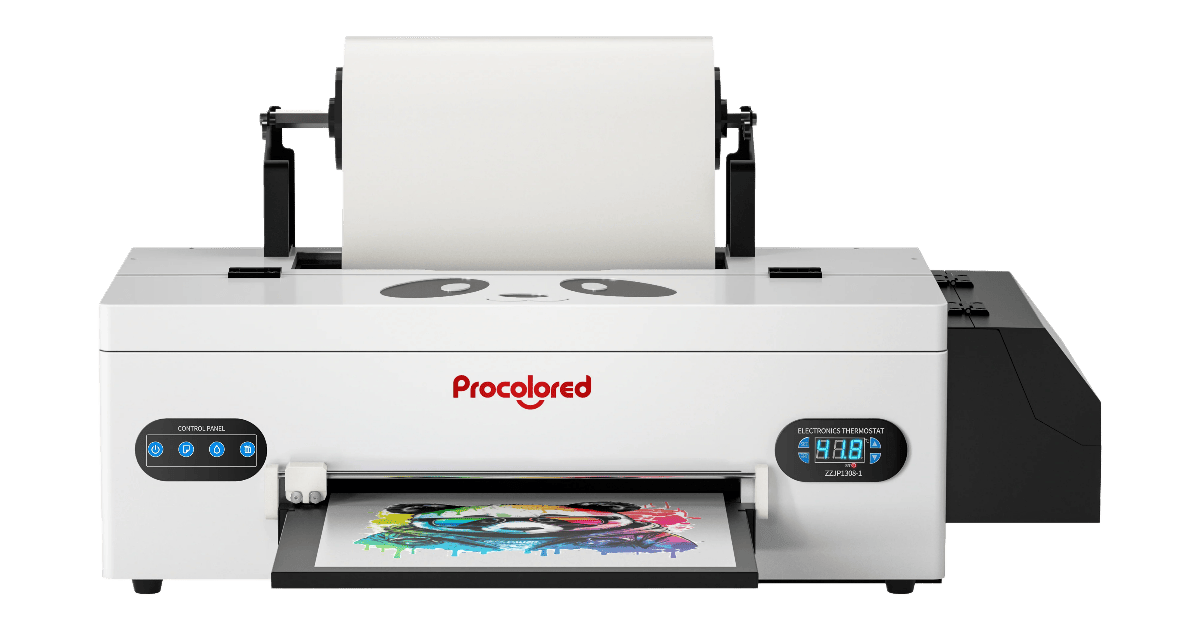
Procolored F13 Panda review: compact 13″ A3 DTF with roll & sheet feed, white-ink circulation, 10-hour auto cleaning (~1 ml/day), and an upgraded roller ...
0
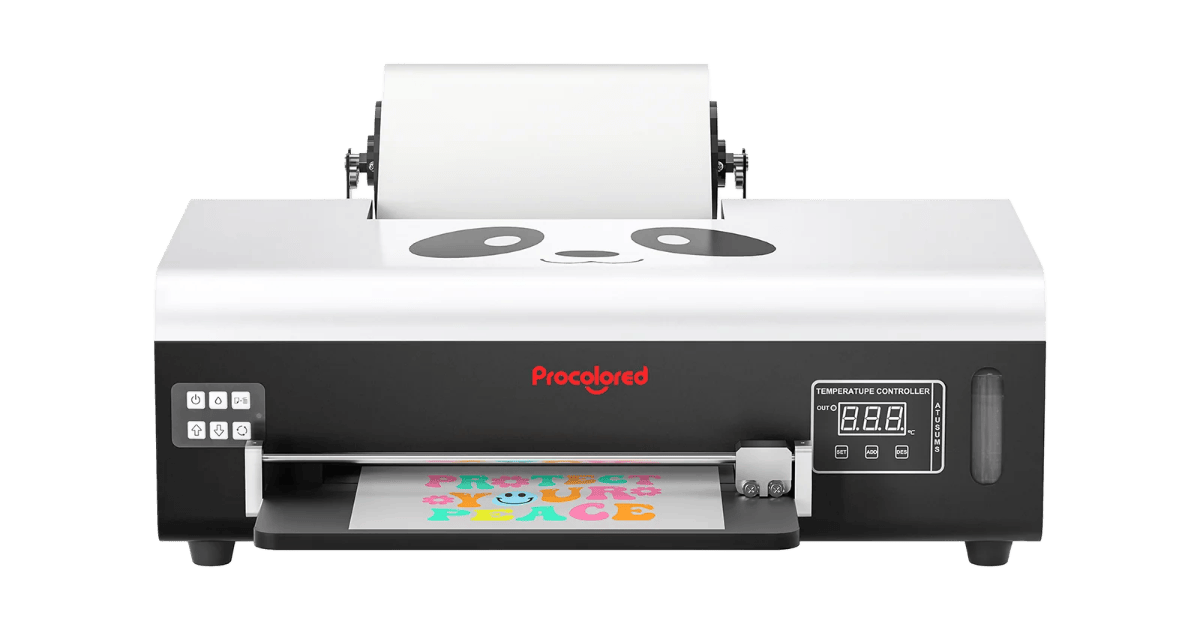
Procolored F8 Panda review: compact A4 (8.2″) DTF with L800 head, 1440×1400 dpi, roll feed, white circulation, and auto cleaning—ideal for beginners and small ...
0
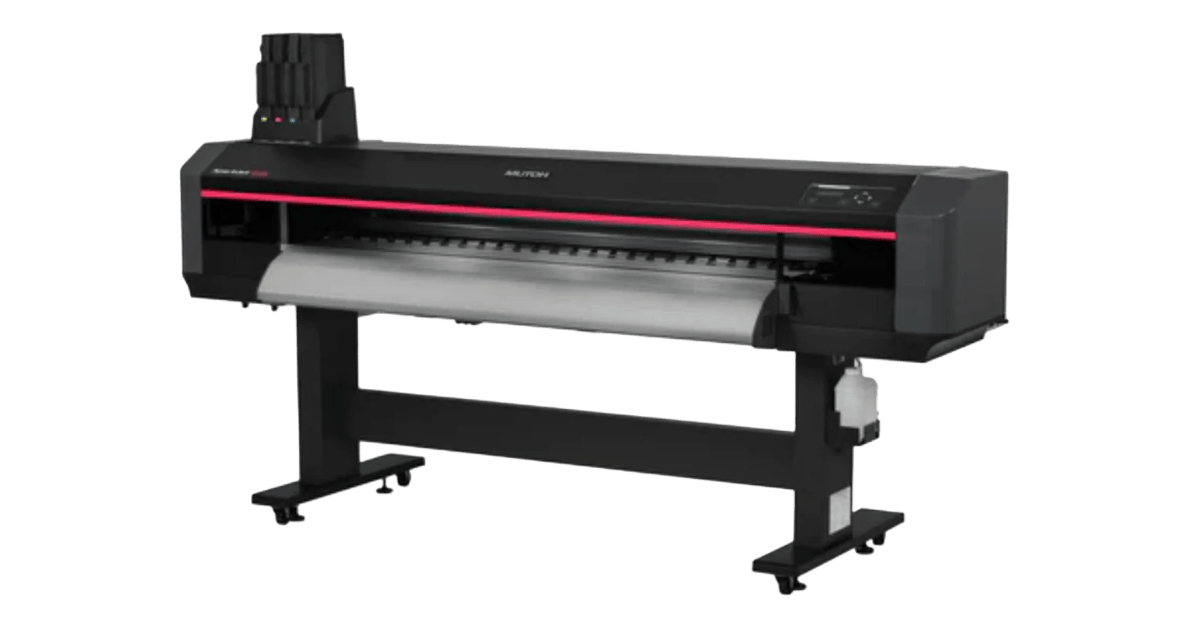
Our STS XPJ-1682D review covers real-world specs, pros & cons, inks, workflow, costs, and setup tips—so you can decide if this fast 64″ DTF fits your ...
0
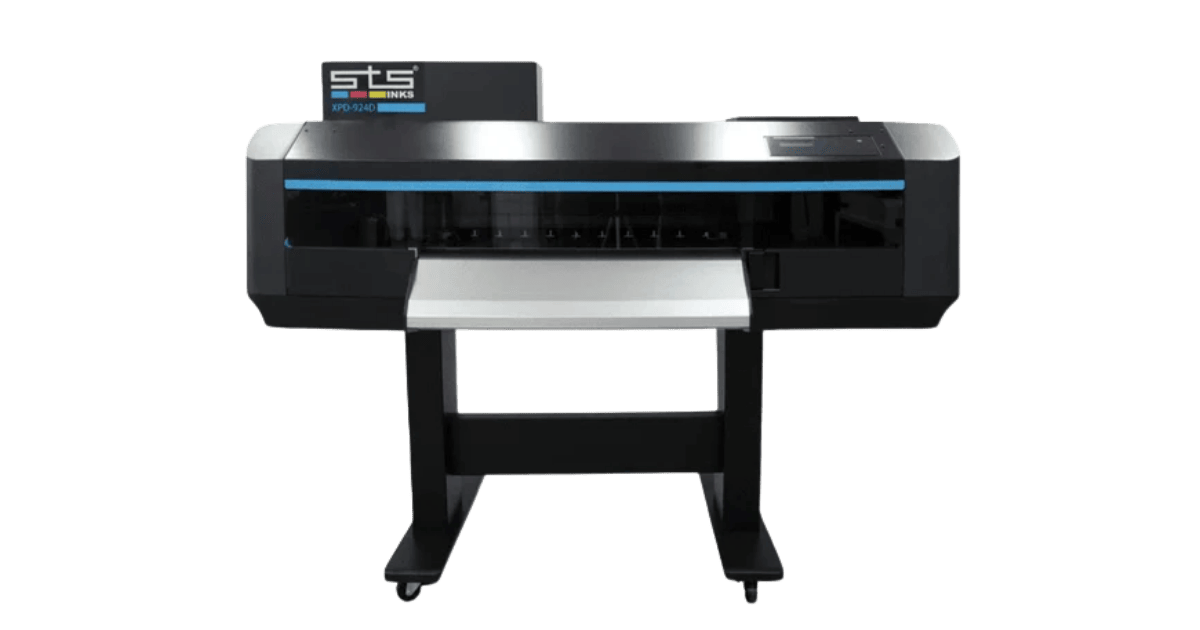
Our STS XPD-924D review covers real-world specs, pros & cons, inks, workflow, costs, and setup tips—so you can decide if this fast 24″ DTF fits your ...
0
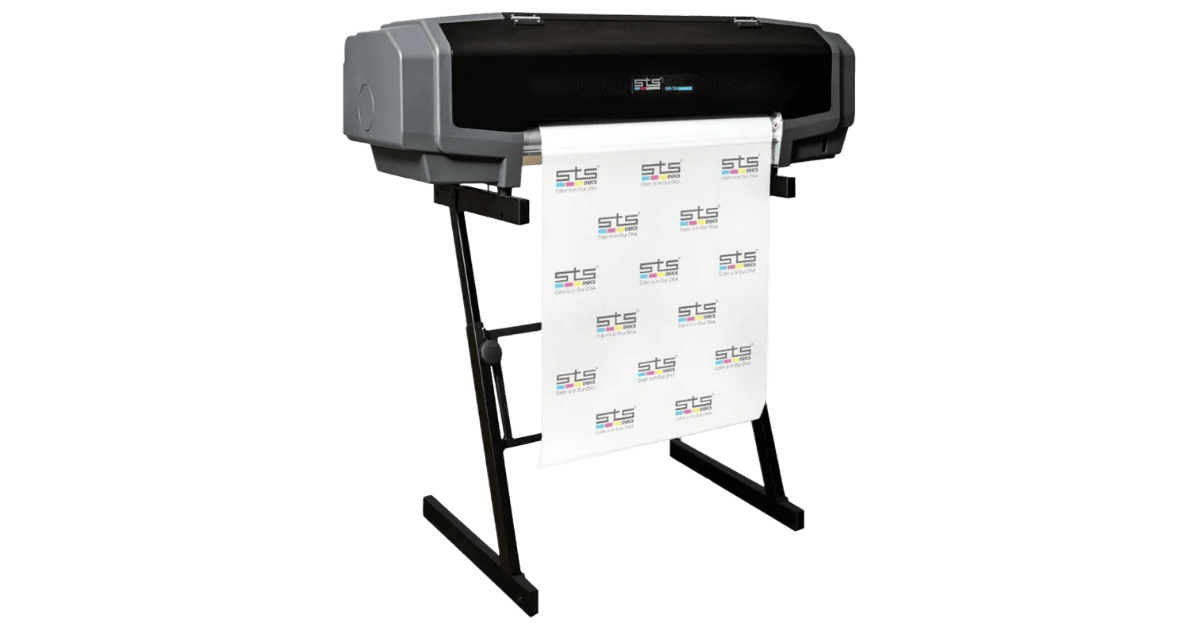
STS XPD-724 review: compact 24″ DTF with 3.5 pl variable dot, up to 1440 dpi, white-ink circulation, and pre/post heat—read specs, pros/cons, and setup tips.
0

Epson SureColor G6070 review: 35.4″ DTFilm with PrecisionCore Micro TFP, Nozzle Verification, 1.6 L UltraChrome DF inks, automated upkeep, and USB 3.0/Gigabit ...
0

25″ UV-DTF with CMYK+White+Clear, 1,200 dpi, dual heads, Ethernet, and stable film handling. Read our Mimaki UJV300DTF-75 review for specs, pros/cons, and ...
DTF Printers by Brand: Compare the Industry Leaders
Why Choose by Brand?
Each manufacturer brings its own strengths — from Epson’s precision printheads to Mimaki’s robust build quality and Roland’s advanced RIP software. Comparing by brand helps you understand how engineering, ink systems, and support differ across the market.
Top DTF Brands Covered
Epson: Precision engineering and consistent color accuracy
Mimaki: Industrial reliability with professional-grade output
Roland: Intuitive RIP software and user-friendly operation
Ricoh: Proven printhead technology for sharp, stable results
STS: Turnkey systems with matched inks, films, and powders
Mutoh: Durable, production-ready hardware for continuous output
How We Review
Each brand category includes detailed printer reviews, key specifications, and expert verdicts based on print quality, speed, value, and usability. Our goal is to help you choose confidently — whether you’re upgrading your shop or entering DTF printing for the first time.
Quick Tips for Brand Comparison
Check each brand’s service coverage and parts availability in your region
Evaluate compatible RIP software and white ink management
Compare warranty terms, support response, and consumable costs
Browse the brands below to see how they stack up in performance, reliability, and total cost of ownership — and find your next DTF printer with confidence.
❓ Frequently Asked Questions — DTF Printers by Brand
Which brand of DTF printer is best?
The best DTF printer brand depends on your production needs. Epson is known for print precision, Mimaki for reliability, Roland for ease of use, Ricoh for stable printheads, STS for turnkey systems, and Mutoh for industrial-grade performance.
What should I consider when choosing a DTF brand?
Look at service coverage, ink and film compatibility, RIP software support, and long-term reliability. A strong local dealer network and consistent consumable supply are often more valuable than raw printer speed.
Are OEM DTF printers better than converted ones?
Yes, OEM DTF printers are generally more stable. They’re designed, tested, and warrantied for direct-to-film printing, unlike converted units that may have inconsistent ink flow or limited support.
Which brand offers the best value for small shops?
STS and Epson models often deliver strong reliability for small to medium shops. They balance manageable costs, compact footprints, and good support for beginners entering DTF production.